Showing posts with label Organic Foods. Show all posts

Wednesday, July 11, 2012


"Cheap food is an illusion. There is no such thing. The real cost of the food is paid somewhere. If it’s not charged at the cash register, it’s charged to the environment, it’s charged to the people in the form of subsidies, or it’s charged to your health. In the end you get what you pay for." - Unknown

xoxo Shauna 

Monday, June 13, 2011

UPDATE: The Clean Fifteen & Dirty Dozen

Last year, I blogged about The Environmental Working Group's annual list of the "cleanest" & most contaminated commercially grown produce available in supermarkets in the US. 


The annual study for 2011 has just been released & I thought I would share the list again since eating off the clean 15 & avoiding the dirty dozen (by buying organic) can significantly reduce your intake of pesticides & other carcinogenic & harmful additives in your produce. 


Here's the list: 


A rule of thumb that I follow for buying organic: 
If you peel it or don't eat the otter layer of the veggie or fruit, it's okay to buy commercially grown.  If you eat the skin of the fruit or veggie or if there's no "peeling" involved, buy organic.  If you think about it, pesticides are sprayed directly onto your produce.  The outer layer absorbs the pesticides & protects the core of your food, making the it okay to eat.  Foods like spinach (there's no protective layer) or apples (you eat the outside of the fruit) should always be purchased organic so you're not ingesting those harmful pesticides. 


xoxo Shauna


Wednesday, May 25, 2011

Rooftop Garden!


The restaurant I work for has been making a conscious effort to be as "green" as possible, implementing new disposal policies, switching it's produce to organic & local,  & only purchasing sustainable seafood. 

Last week, we decided to take it a step further & start our own garden on the roof!  Admittedly, I don't have the greenest thumb, which makes me even more excited to be a part of this rooftop garden.  I'm hoping to learn a thing or two (the only thing I've been able to keep alive at home is a bamboo plant, which I hear is pretty indestructible) & also have yummy herbs & veggies to eat at the restaurant & at home.   

So far we've planted: 
Purple Basil
Cinnamon Basil
Lemon Basil
Chives
Strawberries
Parsley
Mint
chamomile
chard
brussel sprouts 
cilantro
chives
dill
& celery 

On the list to plant:
Jalapenos
Golden Beets
Heirloom Tomatoes
Carrots
Lavender
& whatever goodness we can come up with :) 


Wish us luck! 
xoxo Shauna


Thursday, February 10, 2011

Hunger for Knowledge


Currently, i'm working on a project with a group of local chefs, sustainable fisheries, and organic farmers in order to start a local organization called The Culinary Liberation Front.  The main goal of our non-profit is to raise the awareness of chefs & restaurant patrons in Orange County. 

 More to come in The Liberation Front (i've been pretty busy with this side project), but I really wanted to share a documentary that really hits home… 

The End of the Line, the first major feature documentary film revealing the impact of overfishing on our oceans, had its world premiere at the Sundance Film Festival in 2009.
In the film we see firsthand the effects of our global love affair with fish as food.
Filmed over two years, The End of the Line follows the investigative reporter Charles Clover as he confronts politicians and celebrity restaurateurs, who exhibit little regard for the damage they are doing to the oceans.
Filmed across the world – from the Straits of Gibraltar to the coasts of Senegal and Alaska to the Tokyo fish market – featuring top scientists, indigenous fishermen and fisheries enforcement officials, 
The End of the Line is a wake-up call to the world.  


To watch The End of the Line for free:  

or copy & paste:
http://www.hulu.com/watch/197316/the-end-of-the-line


xoxo Shauna

Sunday, January 2, 2011

The Clean 15

1.  Onions 

2.  Avocado 

3.  Sweet Corn 

4.  Pineapple 

5.  Mangos

6. Sweet Peas

7.  Asparagus

8.  Kiwi 

9.  Cabbage

10.  Eggplant 

11.  Cantaloupe 

12.  Watermelon 

13.  Grapefruit

14.  SweetPotato

15. Honeydew Melon


Although buying organic helps local farmers, the foods above have the LOWEST amount of pesticides for non-organic fruits & vegetables.   Research has found that people who eat five fruits and vegetables a day from the Dirty Dozen list consume an average of 10 pesticides a day. Those who eat from the 15 least contaminated conventionally-grown fruits and vegetables ingest fewer than 2 pesticides daily.

The Dirty Dozen


Not all of us can afford to go 100% organic every time we shop. The solution? Focus on those foods that come with the heaviest burden of pesticides, additives and hormones. According to the Environmental Working Group, consumers can reduce their pesticide exposure by 80% by avoiding the most contaminated fruits and vegetables and eating only the cleanest.  

Top 12 Most Contaminated Foods 


1.  Celery.  There's no protective skin on celery, which makes it almost impossible to wash off the chemicals that are used on conventional crops.


2.  Peaches.  Multiple pesticides are regularly applied to these delicately skinned fruits in conventional orchards.  Peaches were number 1 on the Dirty Dozen list of 2009 & ranked number 2 in 2010. OVER 62 pesticides have been detected in residue on peaches!!  


3.  Strawberries.  If you buy strawberries out of season, they're most likely imported from countries that use less-stringent regulations for pesticide use.  Strawberries ranked number 3 on the 2010 Dirty Dozen list with 59 pesticides detected in residue on strawberries.


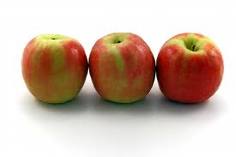
4.  Apples.  Apples rank among the dirtiest fruits and vegetables, with 42 different pesticides having been detected as residue.  Like peaches, apples are typically grown with the use of poisons to kill a variety of pests, from fungi to insects. Scrubbing and peeling doesn't eliminate chemical residue completely, so it's best to buy organic when it comes to apples. Peeling a fruit or vegetable also strips away many of their beneficial nutrients.


5.  Blueberries.  New on the Dirty Dozen list in 2010, blueberries are treated with as many as 52 pesticides, making them one of the dirtiest berries on the market.


6.  Nectarines.  With 33 different types of pesticides found on nectarines, they rank up there with apples and peaches among the dirtiest tree fruit.


7.  Bell Peppers.  Tests have found 49 different pesticides on sweet bell peppers.  Peppers have thin skins that don't offer much of a barrier to pesticides. They're often heavily sprayed with insecticides.


8.  Spinach.  New on the list for 2010, spinach can be laced with as many as 48 different pesticides, making it one of the most contaminated green leafy vegetable.  


9.  Kale.  Traditionally kale is known as a hardier vegetable that rarely suffers from pests and disease, but it was found to have high amounts of pesticide residue when tested last year.


10.  Cherries.  Even locally grown cherries are not necessarily safe. In fact, in one survey in recent years, cherries grown in the U.S. were found to have three times more pesticide residue then imported cherries.  Government testing has found 42 different pesticides on cherries.


11.  Potatoes.  America's favorite vegetable can be laced with as many as 37 different pesticides.


12.  Grapes.  Imported grapes run a much greater risk of contamination than those grown domestically only imported grapes make the 2010 Dirty Dozen list. Vineyards can be sprayed with different pesticides during different growth periods of the grape, and no amount of washing or peeling will eliminate contamination because of the grape's thin skin. Remember, wine is made from grapes, which testing shows can harbor as many as 34 pesticides.  


Other notable dirty foods… 


Meat.  10 different pesticides identified in beef & 8 in pork.  
Milk.  12 different pesticides have been identified in milk (not including hormones & antibiotics).  
Coffee.  Many of the beans you buy are grown in countries that don't regulate use of chemicals and pesticides.   Look for the USDA Organic label to ensure you're not buying beans that have been grown or processed with the use of potentially harmful chemicals.  To go a step or two further, and look for the Fair Trade Certified labels to ensure that your purchase supports farmers who are paid fairly and treated well.  

Leafy Greens.  Leafy greens are frequently contaminated with what are considered the most potent pesticides used on food (51 of them).  
Carrots.  Off the list in 2010, carrots have made the Dirty Dozen list in previous years because of the 26 pesticides that have been detected in food residue.
Pears.  As insects become more resilient to the pesticides used on pears, more and more chemicals are used (28 of them).